
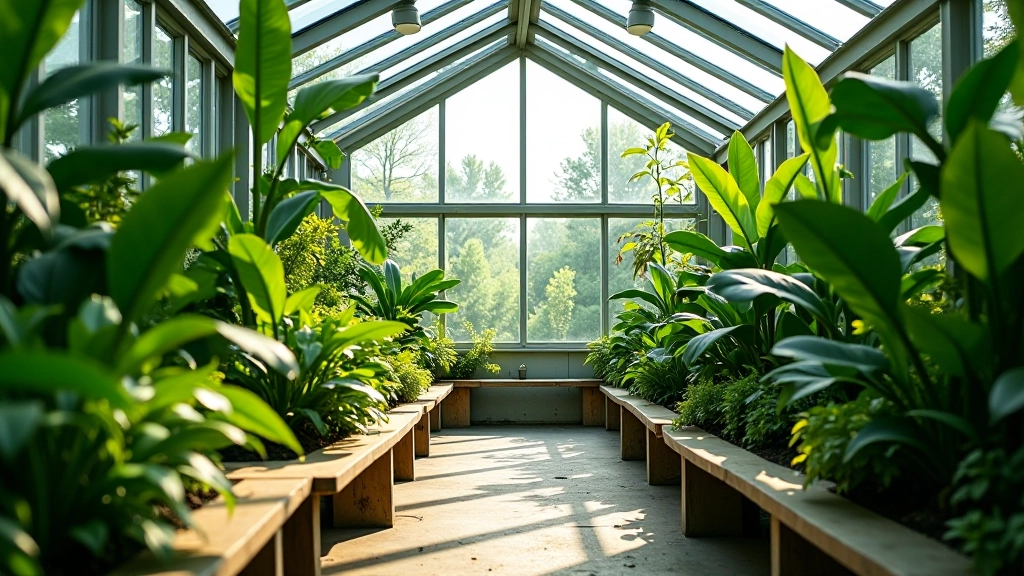
Greenhouse Strolls and Indoor Garden Spaces
Climate-controlled indoor walks perfect for any weather. You'll see tropical plants and learn how greenhouses maintain specific growing conditions.
By Kaunas Botanical Editorial Team
Written by the Kaunas Botanical Editorial Team, focused on clear, practical guidance for relaxing garden walks.
Three gentle paths take you through the garden's most colorful sections. Each route is marked and takes between 30 and 50 minutes at a comfortable pace. You don't need any special fitness — just a willingness to slow down and enjoy the flowers.
The paths vary in difficulty and scenery. Some wind through the rose gardens with intimate views, while others open into wider areas where you can see across the entire garden. Each one has its own character, and they're all beautiful in different ways.
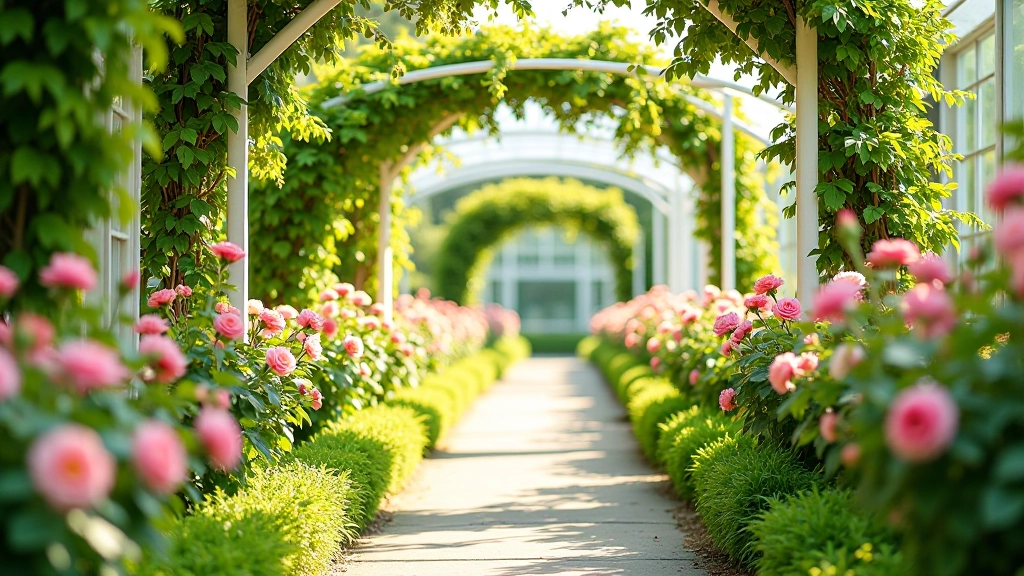
This is the most popular walk, and for good reason. It's a 35-minute loop that stays mostly on flat terrain. The path winds through the rose garden with at least 40 different rose varieties on display during peak season.
You'll start near the main entrance and head straight into the climbing roses section. The trellis work here is beautiful — some of the roses grow up decorative arches that create natural shaded areas perfect for stopping and resting. The path curves around, passing the heritage rose beds where you'll see older varieties that smell stronger than modern roses.
Pro tip: Visit in late spring (May to early June) for the best blooms. The garden's team deadheads spent flowers throughout the season, so you'll always see full blooms rather than faded petals.
The final section takes you past the ornamental grass beds. These plants add texture and movement to the garden — they're less colorful than flowers but absolutely essential to the garden's design. There are three benches in this area with views back toward the roses, making it a perfect spot to sit for 10 minutes before heading back.
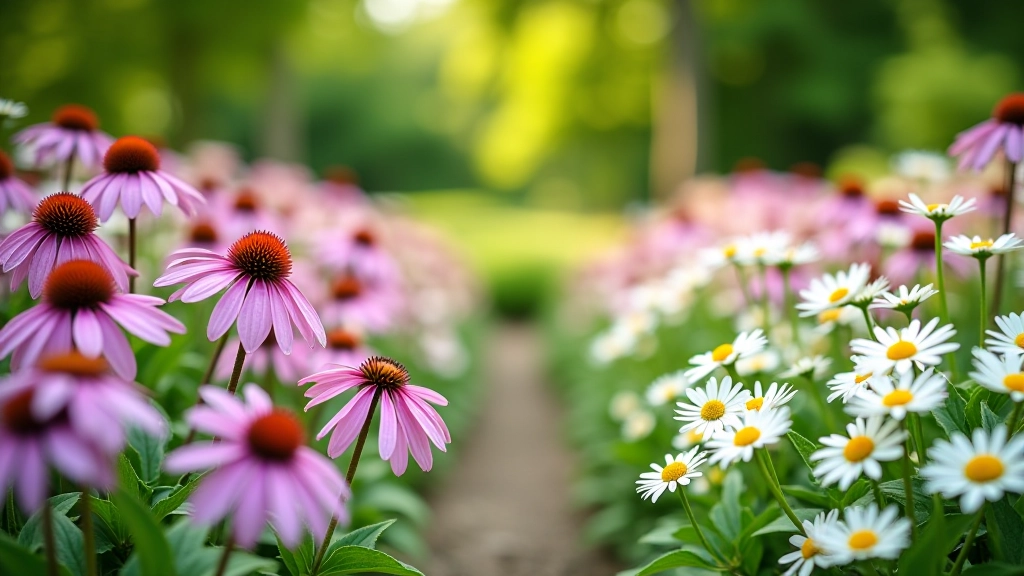
If you're looking for something a bit more adventurous, this 45-minute route takes you through the perennial garden and past the woodland areas. It's still gentle — there's only one short incline — but it covers more distance than the rose loop.
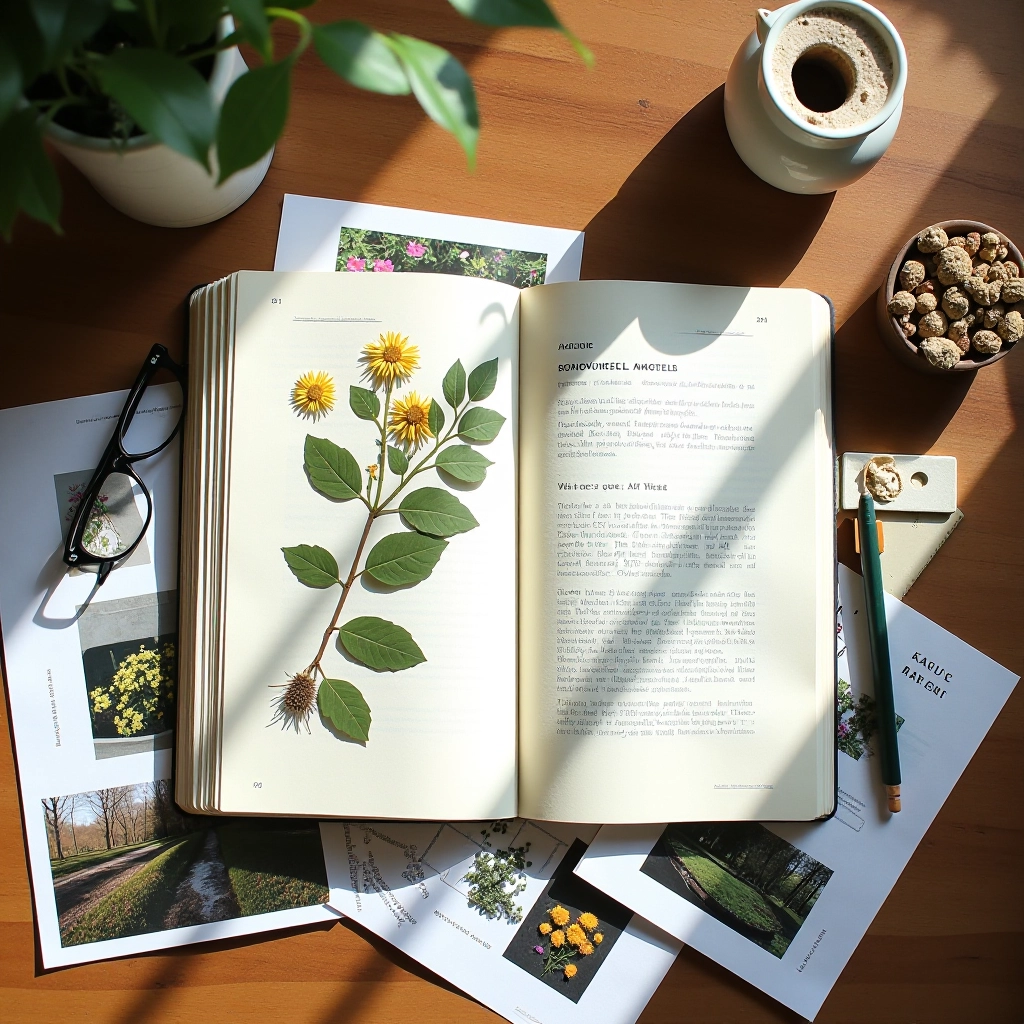
The walk starts from the side entrance and immediately takes you into beds of mixed perennials. You'll see coneflowers, black-eyed Susans, daylilies, and ornamental grasses all growing together. The garden's designers mixed these plants intentionally to create layers of color and texture. It's not all flowers either — there's a lot of foliage that provides structure and keeps things interesting even when specific blooms fade.
Did you know: Perennials come back year after year, so the garden only plants them once. This makes them more sustainable than annuals that need replanting each season. Most of these plants are actually quite tough and can handle dry spells.
The middle section takes you through a small woodland area with shade-loving plants like hostas and ferns. It's noticeably cooler here, which many people appreciate on warm days. The path is wider in this section, making it comfortable even when other visitors are around.
Climate-controlled indoor walks perfect for any weather. You'll see tropical plants and learn how greenhouses maintain specific growing conditions.
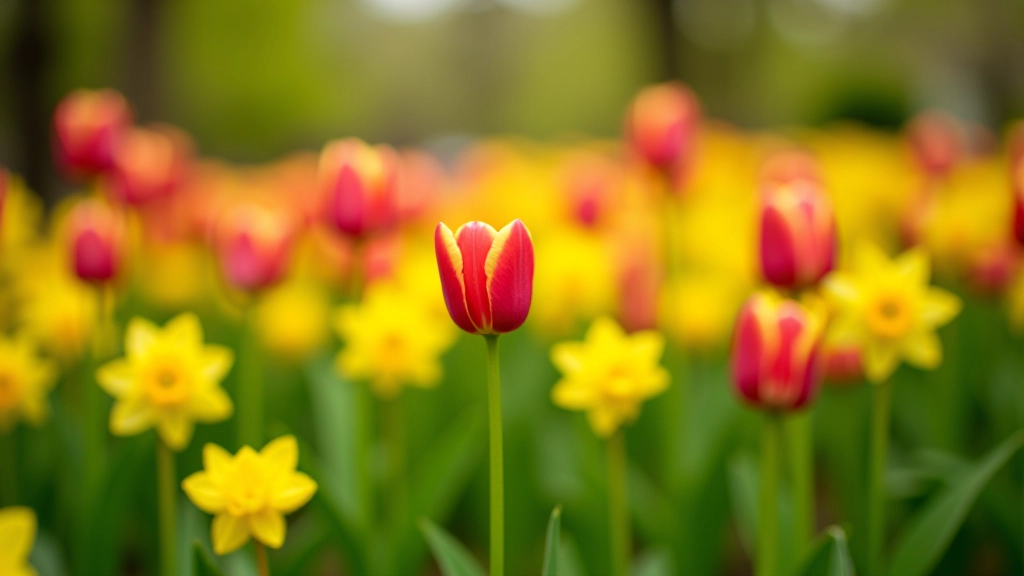
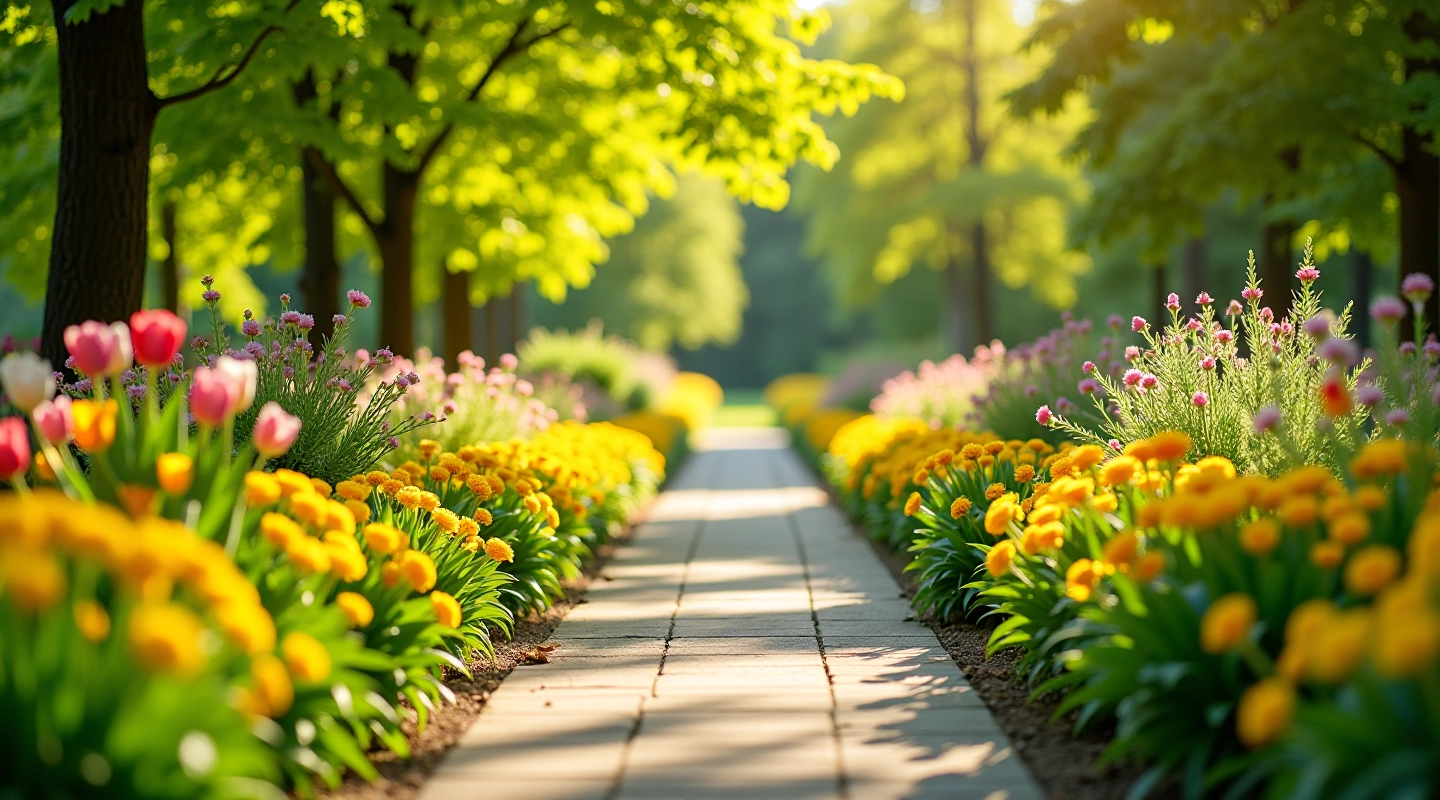
Spring tulips, summer roses, autumn colors — each season brings different blooms. Learn when to visit for maximum visual impact.
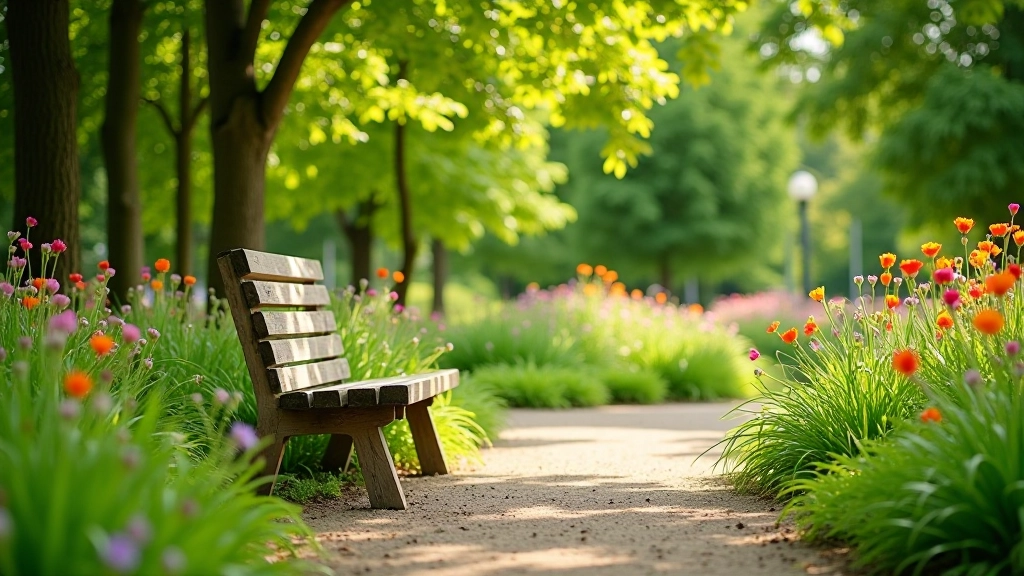
Where to find benches, water fountains, and restrooms throughout the garden. Tips for comfortable visits at your own pace.
This is the shortest route at 30 minutes, but don't let that fool you. It's designed for people who want a slower experience — lots of sitting and observing rather than walking distance. The path takes you to the quietest parts of the garden where you'll find fewer visitors and more birds.
You'll start at the eastern gate and head into the cottage garden section. This area's designed to look informal and a bit wild, with plants growing close together. There's less obvious structure here, which appeals to some people more than the formal rose garden. The plants are mixed together in ways that feel natural — this is actually quite difficult to design, even though it looks unplanned.
Best time to walk this route: Early morning before 9am or late afternoon after 4pm. You'll have the paths mostly to yourself and the light is softer, making colors richer.
There are five benches along this route, spaced close together. You could easily spend 90 minutes here instead of 30 — just sitting and moving slowly from bench to bench. The garden's quieter wildlife (birds especially) becomes visible when you're still and patient. Bring binoculars if you're interested in bird identification.
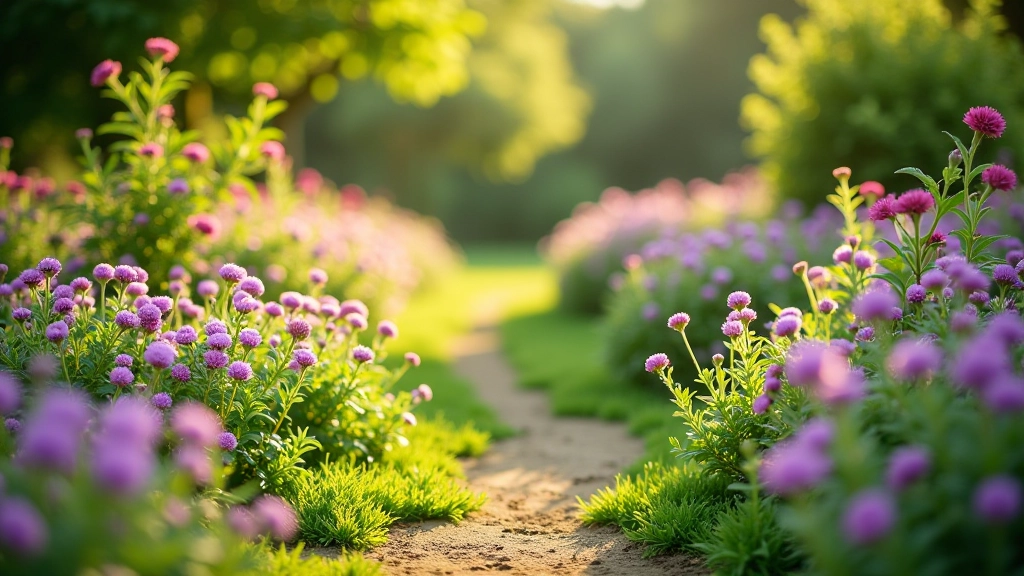
The garden has minimal shade on routes one and two, so bring sun protection. Route three has more tree coverage. On hot days, visit in early morning or late afternoon. The paths are fine in light rain — the paved sections don't get slippery.
Water fountains are located near the rose garden, at the perennial garden entrance, and at the cottage garden area. There's a restroom facility near the main entrance. It's not far from any point on the paths — the longest walk to a restroom is about 8 minutes.
Morning light (6-9am) gives the softest, most flattering colors. Cloudy days work well too — direct sunlight washes out flower colors. Get close to individual blooms for detail shots. The trellises and arches in route one create beautiful framing opportunities.
Don't rush. These routes are designed for slow walking. If you're combining two routes, take a proper lunch break in between. Your legs and feet will thank you. Most people find that 40 minutes of gentle walking is quite enough for one visit.
All three routes have paved or well-maintained surfaces — you don't need hiking boots. Comfortable walking shoes are all you need. Avoid very high heels or flip-flops. Some people prefer sneakers with good arch support if they're doing multiple routes.
All routes are clearly marked with signs at intersections. Pick up a paper map at the entrance if you want one. The routes are designed so you won't get lost — they loop back to the start. Even if you wander slightly off the marked path, you're in a garden, not a wilderness.
This guide is based on current garden conditions and route information. Garden paths and facilities may change seasonally. Some routes or areas may be closed for maintenance. We recommend checking the garden's website or calling ahead if you're visiting for the first time or haven't been in several months. The times and distances provided are approximate and depend on individual pace and how long you spend at each viewing area.
All three routes start near the main entrance. You don't need to book ahead — just show up. The garden's open daily from 8am to sunset. There's free parking and the entrance fee is modest. Bring water, wear comfortable shoes, and plan to spend at least an hour here. Even the shortest route at 30 minutes feels longer when you stop to really look at things — and that's the whole point.
We recommend starting with route one if it's your first visit. It's the most popular for a reason — it's beautiful, manageable, and gives you a good sense of the garden's overall layout. You can always come back for routes two and three another day. The garden's different in each season, so you'll notice new things even if you've walked these paths before.
Ready to explore the garden? Visit our complete guide to botanical garden walks for more routes and seasonal information.