
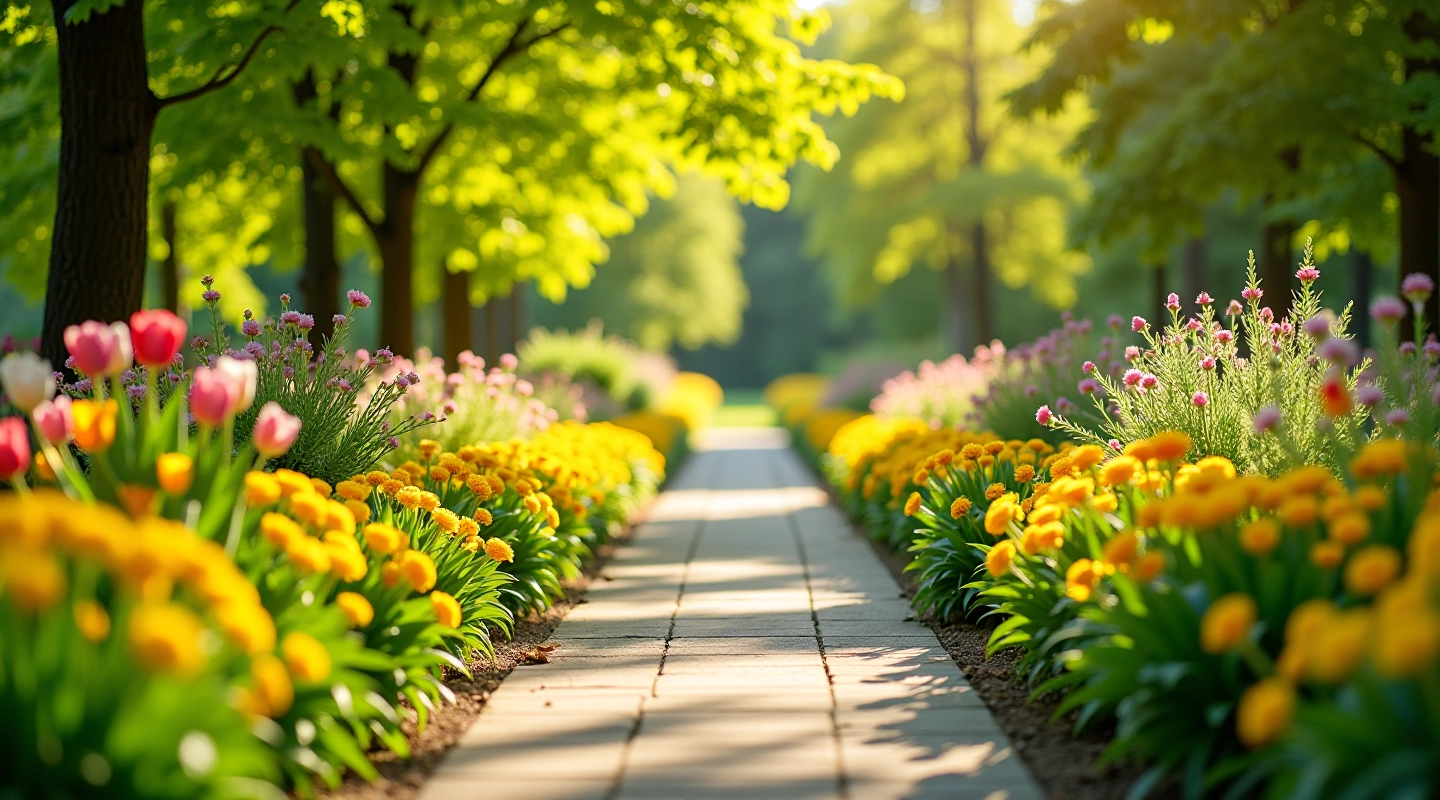
Best Walking Routes Through the Flower Beds
Three gentle paths that take you through the garden's most colorful sections. Each route focuses on different plant collections and takes 45 minutes to an hour.
Read moreSpring tulips, summer roses, autumn colors — each season brings different blooms. We've mapped out when each section looks its best so you can plan ahead.
Author
Written by the Kaunas Botanical Editorial Team, focused on clear, practical guidance for relaxing garden walks.
Timing matters when you're visiting a botanical garden. The same path looks completely different in spring versus autumn. We've spent time at the garden across all four seasons, and we're sharing what you'll actually see during each visit.
The garden has over 4,000 plant species spread across 40 hectares. That's a lot of variety, and what's blooming shifts dramatically month to month. Some sections peak in March, others don't really shine until September. Knowing when to visit means you'll see the garden at its best.
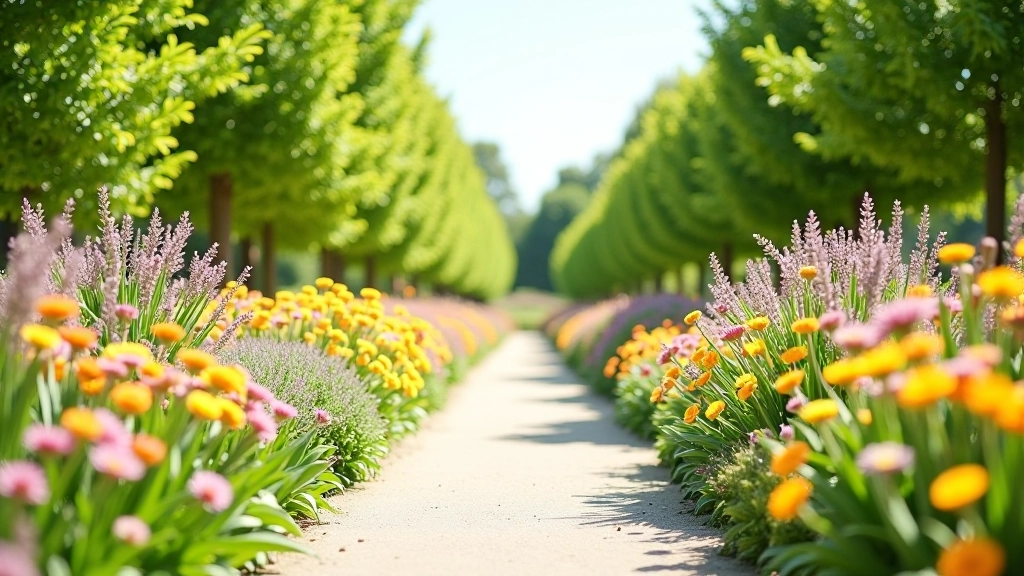
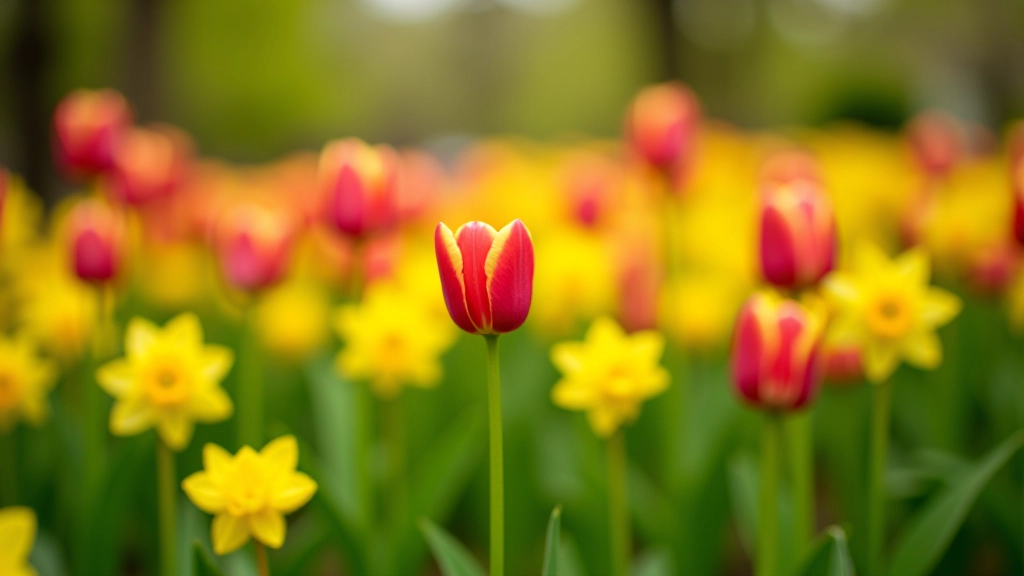
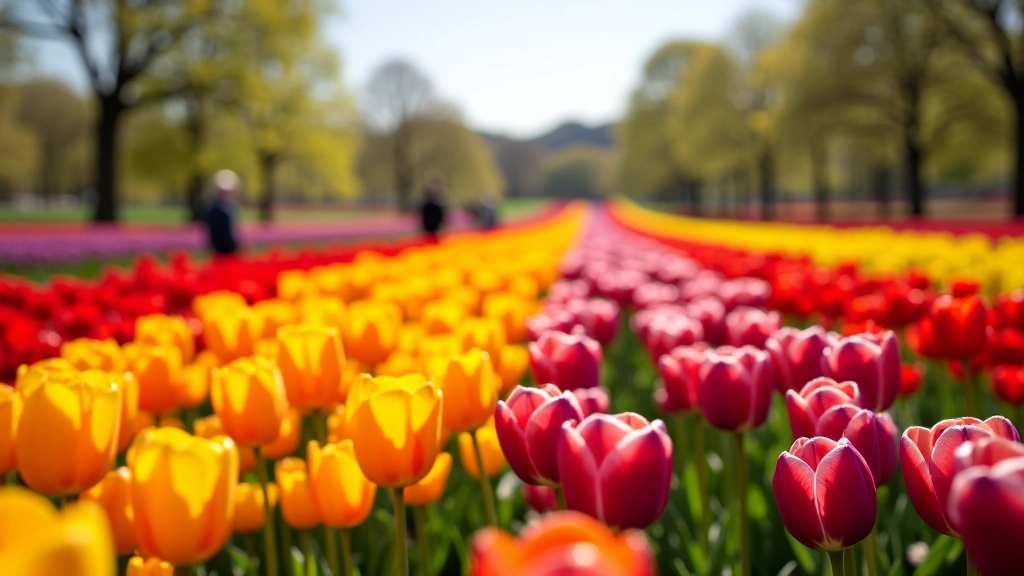
Peak bloom: Mid-April to early May. That's when the tulip garden is most colorful — reds, yellows, purples all at once.
Spring is when the garden really wakes up. The daffodils start in March, usually around the first week. They're scattered throughout the upper beds and the woodland area. By late March, the crocuses are out too — small but colorful, especially the purple varieties.
The main event is tulips. The tulip garden occupies about 2 hectares on the south-facing slope. It's 10,000+ bulbs planted in rows and clusters. They're not all the same height or color, which actually makes it more interesting than you'd think. You get layered views as you walk through — shorter varieties in front, taller ones behind. Peak is usually mid-April. After that, they fade quickly. By late May, most are gone.
Spring weather is unpredictable though. We've visited in May and hit cold rain. Bring layers. The paths can be muddy in places after heavy rain, so waterproof shoes are a good idea.
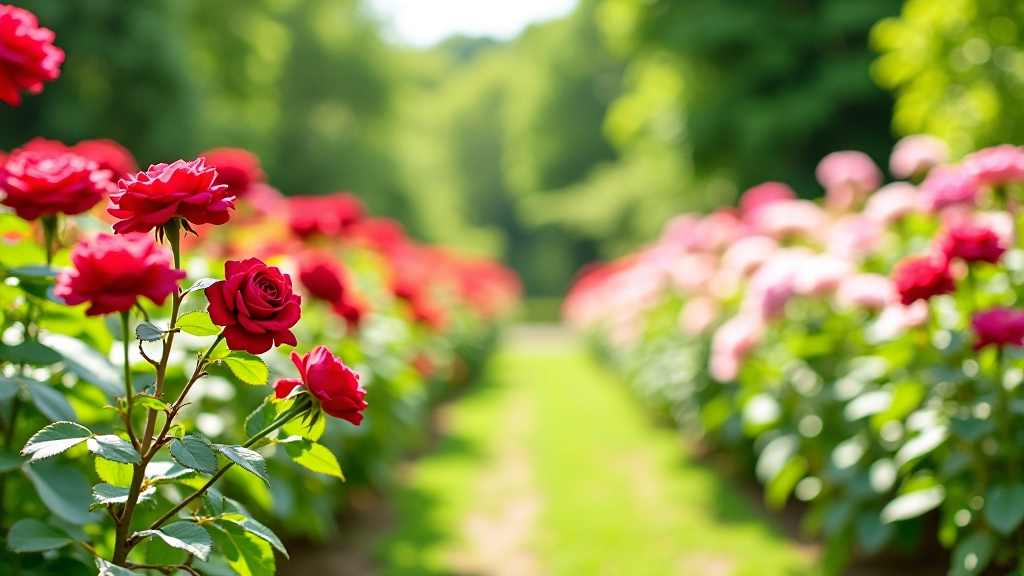
Best for roses: June through July. The rose garden has 350+ varieties. It's fragrant and dense — you really feel surrounded by color.
Summer is rose season. The rose garden is the main draw — 1.5 hectares dedicated to roses alone. June is when they peak. You've got everything from classic red roses to apricot shades, deep purples, even some unusual bi-colors. The fragrance is intense, especially in the early morning.
Beyond roses, the perennial beds are full. Lavender, delphiniums, peonies, and dahlias are all going strong. The water garden area becomes really lush too — iris varieties are blooming, and the area around the pond feels cool and shaded. That's actually a great spot if you're visiting on a hot day.
Summer heat is real though. Temperatures regularly hit 25-28°C (77-82°F). The garden opens early — 8 AM in summer — so consider arriving then. The paths have some shaded areas under mature trees, but many sections are pretty exposed. You'll want sunscreen and water.
About this guide: Bloom times vary year to year based on weather and temperature patterns. Dates mentioned here are based on typical patterns observed over recent seasons. For current bloom status before your visit, we recommend checking the garden's official website or calling ahead. This information is educational and intended to help you plan your garden walks.
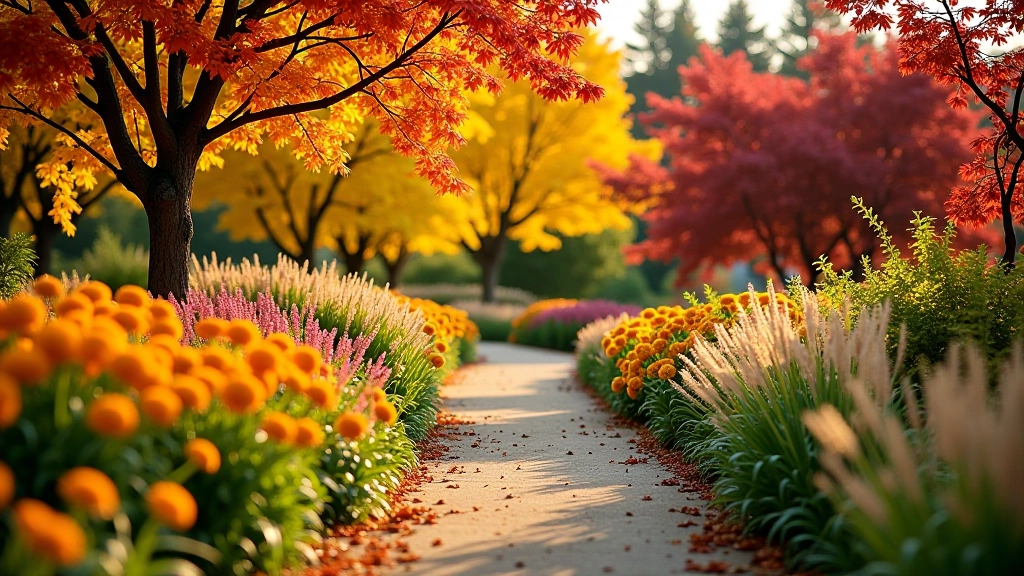
Most colorful: Mid-October to early November. The trees turn before the plants do, creating layers of color — golds, reds, oranges all at once.
Autumn is underrated at botanical gardens. Most people think peak season is spring or summer, but autumn brings its own beauty. The deciduous trees change color — birches turn golden, maples go deep red. That's usually starting in late September and peaking in mid-October.
The perennial beds shift. Dahlias are huge in autumn — the garden grows dozens of varieties and they're absolutely dramatic. Asters and chrysanthemums come in. The hydrangeas take on deeper tones. There's also a section with ornamental grasses that really shine in autumn when they're golden and catching light.
Weather-wise, it's probably the most comfortable season for walking. Temperatures drop to 10-15°C (50-59°F). It's cool enough that you won't overheat even on longer walks, but not so cold that you're uncomfortable. Humidity drops too, which makes the paths feel fresher. The main downside is shorter daylight — by November, the sun sets by 4:30 PM.
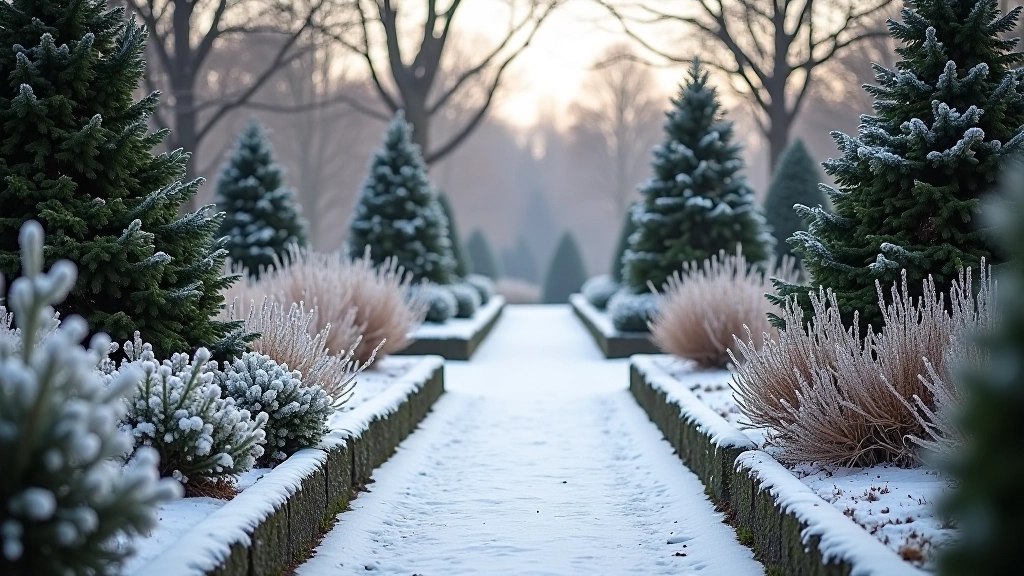
Quiet season: December through February. Fewer visitors, simpler palette. The garden structure becomes more visible when everything's bare.
Winter is when most people skip the garden, which is actually worth reconsidering. Yes, most flowering plants are dormant. But the evergreen sections become the focus — boxwoods, junipers, and the conifer plantings that are easy to miss when everything else is blooming.
The garden structure becomes visible in winter. You notice the layout, the paths, the design underneath all the flowers. The water features freeze over, which is beautiful in its own way. Frost on evergreens creates texture. If there's snow, it changes the whole aesthetic — the paths become more intimate and the quiet is noticeable.
The practical side: winters in Kaunas can be cold. Temperatures drop to -5 to -10°C (23 to 14°F), sometimes lower. The paths get icy in places, so proper footwear is essential. The indoor greenhouse becomes much more appealing in winter — it's warm and humid, a contrast to the cold outside. Walking between the outdoor gardens and the heated greenhouse is actually a nice rhythm.
Spring and autumn weather changes throughout the day. You might start in a jacket and end up taking it off. Winter requires insulation. Summer needs breathable clothing and sun protection.
There are water fountains scattered through the garden, but carrying a bottle means you don't have to plan around them. It's especially important in summer when you're more exposed.
The garden opens at 8 AM spring through autumn, 10 AM in winter. Early visits mean fewer crowds, cooler temperatures in summer, and better light for photography.
Bloom times shift with weather. Before driving over, it's worth checking the garden's website or social media for current status. They post updates about what's peaking.
Spring paths can be muddy. Winter paths get icy. Summer heat makes the asphalt paths hard on feet. Waterproof hiking shoes work year-round.
The garden is 40 hectares. You won't see everything in one visit. Plan 2-3 hours minimum. Leisurely walks take 4 hours or more, which is fine — that's the whole point.
Three gentle paths that take you through the garden's most colorful sections. Each route focuses on different plant collections and takes 45 minutes to an hour.
Read more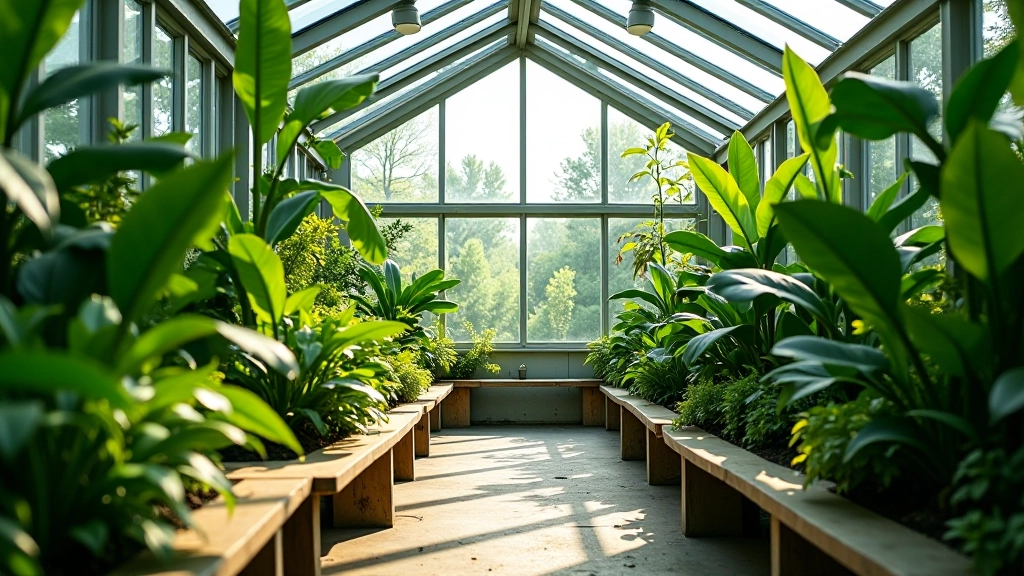
Climate-controlled indoor walks perfect for any weather. You'll see tropical plants, orchids, and other species that don't survive outdoors in Kaunas. Great option when weather's rough.
Read more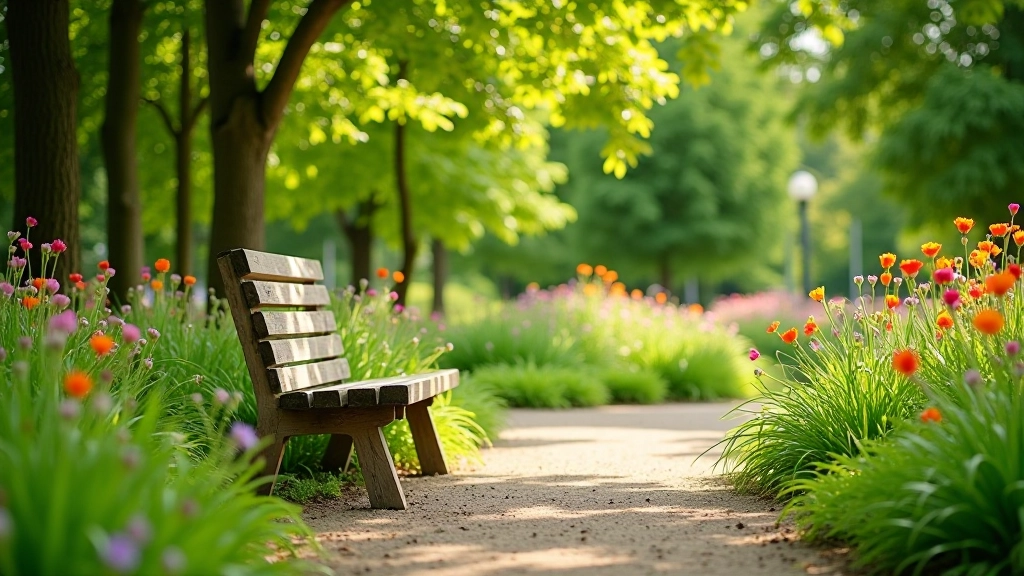
Where to find benches, water fountains, and restrooms throughout the garden. Tips for planning walks around rest points so you can pace yourself comfortably.
Read moreThe botanical garden shifts dramatically through the year. Spring brings intensity and color. Summer is lush and fragrant. Autumn has its own quiet beauty. Winter reveals the garden's structure. There's honestly no bad time to visit — it's just different each season.
The key is knowing what to expect. If you're hoping for peak tulip color, don't show up in July. If you want roses, spring won't deliver. But if you time it right for what's actually blooming, you'll have a much better experience. That's what this guide is for — helping you match your visit to what the garden actually has to offer in that moment.
Start with the season that appeals to you most. Spring and autumn are probably easiest for walking — the weather's cooperative. Summer's dramatic but hot. Winter's peaceful but cold. Go when it fits your preference, check what's actually blooming, and plan for a couple hours. The garden's been doing this for decades. It's got something to show you every time you visit.